
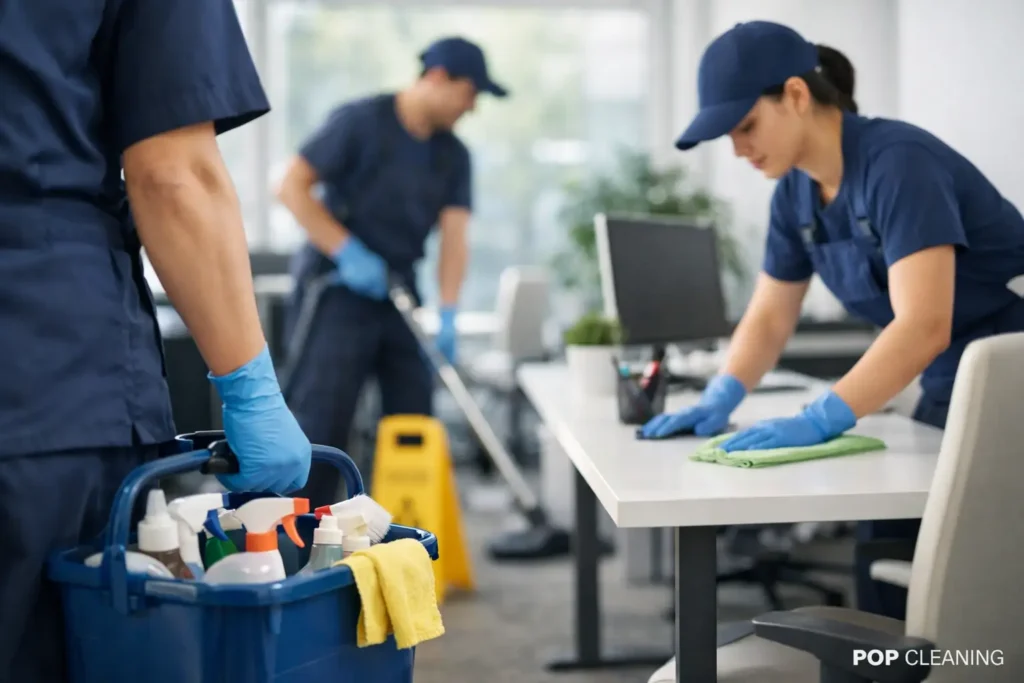
A front lobby can look spotless at 8 a.m. and feel tired by 2 p.m. after muddy shoes, coffee drips, fingerprints on glass, and a busy restroom. That is why one of the most common questions business owners ask is how often should offices be cleaned. The honest answer is not once a week for every office and not every night for every space. It depends on how many people use the building, what kind of work happens there, and how much cleanliness affects employee comfort, client impressions, and health.
For most offices, the right cleaning schedule is layered. Some tasks need daily attention, some can be handled several times a week, and others only need weekly or monthly service. A small private office with three employees has very different needs than a medical-adjacent admin suite, a real estate office with constant walk-ins, or a shared workspace with a full breakroom and frequent meetings. A smart schedule keeps the office consistently clean without paying for more service than you need.
How often should offices be cleaned in practice?
If you want the short answer, most offices benefit from cleaning at least 2 to 5 times per week, with high-touch areas addressed daily. Restrooms, breakrooms, entryways, and trash removal usually need the most frequent attention. Less-used private offices, conference rooms, and low-traffic corners can often be cleaned on a lighter rotation.
That said, frequency should match use. An office that hosts clients all day may need daily service because appearances matter every hour the doors are open. A back-office space with limited foot traffic may stay in great shape with cleaning three nights a week plus periodic deep cleaning. The goal is not to chase a number. It is to match the schedule to the way your workplace actually runs.
The factors that decide office cleaning frequency
The biggest factor is traffic. More people means more dust, more restroom use, more germs on shared surfaces, and more wear on floors. If your team comes and goes all day, or customers regularly enter the building, buildup happens fast.
The next factor is the type of space. Offices with carpet, upholstered seating, kitchens, and shared bathrooms need more care than a simple suite with hard floors and individual desks. Food prep areas and employee breakrooms especially tend to need frequent cleaning because crumbs, spills, and odors do not wait until the end of the month.
Industry also matters. A law office, insurance agency, school admin office, dental front office, and construction company headquarters all have different expectations. In some workplaces, a little dust is mostly a cosmetic issue. In others, sanitation and presentation are part of client trust.
Seasonality can shift your schedule too. During flu season, after a wave of illnesses in the office, or during rainy months when dirt gets tracked in more often, many businesses increase frequency. In Southwest Florida, humidity and frequent foot traffic can also make restrooms, entry floors, and shared areas feel used up faster than expected.
What should be cleaned daily?
Daily cleaning usually focuses on the areas people notice first and use the most. Restrooms should almost always be cleaned and restocked daily in an active office. That includes toilets, sinks, mirrors, counters, touchpoints, and floor attention as needed.
Breakrooms also tend to need daily service, especially if employees eat lunch on site. Sinks, counters, tables, appliance exteriors, and trash can all become problems quickly. Left alone, the breakroom is often the first place an office starts to feel neglected.
Trash removal is another daily task in many workplaces. Overflowing cans make even a clean office feel unprofessional. Entry glass, door handles, reception desks, and other high-touch surfaces should also be cleaned or disinfected regularly, particularly in spaces where visitors come through.
Spot vacuuming or mopping may be needed each day in lobbies, hallways, and entrances. These are the first surfaces clients see, and they collect the most visible dirt.
What can be cleaned several times a week?
General office cleaning often fits well on a 2 to 3 times per week schedule for smaller or lower-traffic businesses. This may include vacuuming work areas, dusting surfaces, wiping desks if requested, cleaning conference rooms, and tidying shared spaces.
This type of schedule works well for offices that want a consistently professional appearance but do not create heavy daily messes. It is often the sweet spot for administrative offices, professional service firms, and smaller local businesses where staff are in and out but not constantly using every room.
A few times a week can also be enough if employees keep individual desks fairly tidy and there is no public-facing lobby traffic all day long. The key is consistency. If the office starts looking worn before the next scheduled visit, that is a sign the frequency should increase.
What should be handled weekly or monthly?
Some jobs do not need constant attention, but they still matter. More detailed dusting, full-floor vacuuming in low-traffic rooms, interior glass, baseboards, and deeper restroom or kitchen detailing can often be done weekly. This keeps small buildup from becoming a larger issue.
Monthly or periodic deep cleaning is where many offices protect the long-term condition of the space. Think carpet care, detailed floor cleaning, upholstery attention, vents, blinds, and corners that do not get touched in routine service. These tasks are easy to postpone, but they affect air quality, appearance, and how quickly the office starts to look older than it is.
If your office only books basic cleaning, deep cleaning should still be part of the plan. Routine service maintains the space. Deep cleaning resets it.
Signs your office needs more frequent cleaning
Sometimes the right schedule becomes obvious before anyone says it out loud. Restrooms run out of supplies before the next service. Entry floors always look marked up. Breakrooms hold onto odors. Dust gathers on surfaces sooner than expected. Employees start wiping things down themselves because shared areas no longer feel consistently clean.
Client perception is another clue. If visitors see smudged glass, full trash bins, or stained floors, they may assume the business is disorganized, even if your service is excellent. Cleanliness shapes trust faster than many owners realize.
There is also a health side to this. When shared touchpoints are not cleaned often enough, colds and other bugs can move around the office more easily. Regular cleaning does not replace good hygiene, but it helps create a healthier workplace.
Signs you may be over-cleaning
Yes, that can happen too. If your office stays nearly untouched between visits, trash bins are rarely full, and surfaces show little use, a nightly schedule may be more than you need. That does not mean cutting corners. It means adjusting the plan so you are paying for useful service, not unnecessary repetition.
A good cleaning schedule should feel balanced. The office should stay fresh, professional, and healthy without wasting time or budget. For many businesses, that means combining regular recurring visits with occasional deeper service rather than choosing the highest frequency by default.
A practical cleaning schedule for most offices
For a typical small to midsize office, daily attention to restrooms, breakrooms, trash, and high-touch surfaces is a strong baseline. General cleaning 2 to 5 times per week works for many businesses, depending on traffic and client visibility. Deeper cleaning on a monthly or quarterly basis helps protect the condition of floors, furniture, and overlooked surfaces.
If you manage a client-facing office, a shared workspace, or a team that works on site every day, daily service is often worth it for both appearance and peace of mind. If your office has fewer people and limited public traffic, two or three visits per week may keep everything in excellent shape.
The best approach is to walk through your office at the end of a normal workday and look at it like a visitor would. Check the restroom, the floors near the entrance, the breakroom sink, the glass on the front door, and the conference room table. That quick audit usually tells you whether your current cleaning schedule is keeping up.
A clean office should not be something you have to think about all day. When the schedule is right, the space feels cared for, employees notice the difference, and clients do too. If your office never quite looks as polished as it should, the answer is usually not more effort from your staff. It is a better cleaning rhythm that fits the way your business actually works.