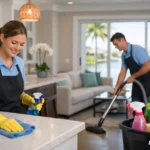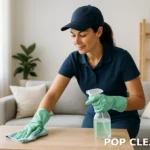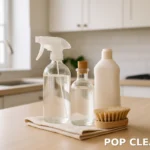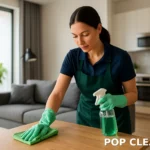
The front door handle gets touched after school drop-off, after grocery runs, after walking the dog, and usually before anyone remembers to wash their hands. The same goes for light switches, faucets, remotes, fridge handles, and phones. If you want to know how to sanitize high touch surfaces effectively, the goal is not to clean your whole home nonstop. It is to focus on the spots that collect the most contact and treat them the right way.
That matters in busy homes, shared workspaces, vacation rentals, and anywhere people move in and out throughout the day. A countertop may look fine and still need attention, especially if multiple hands have been on the surrounding handles, buttons, and switches. Good sanitizing habits help reduce the spread of germs, but they only work when the product, surface, and timing all line up.
What counts as a high touch surface?
High touch surfaces are the areas people reach for constantly, often without thinking. In most homes, that includes doorknobs, cabinet pulls, appliance handles, faucet handles, toilet flush levers, light switches, stair railings, remote controls, and phones. In offices, break room appliances, shared desks, printers, elevator buttons, and conference room tables usually deserve extra attention.
Not every room needs the same level of effort. A guest room that stays closed most of the week is different from a kitchen used all day by a family of five. The smartest approach is to look for surfaces with frequent hand contact, especially in kitchens, bathrooms, entryways, shared work areas, and common living spaces.
Cleaning and sanitizing are not the same thing
One of the biggest mistakes people make is treating these terms like they mean the same thing. Cleaning removes dirt, crumbs, grease, and residue from a surface. Sanitizing reduces bacteria on a surface to a safer level. Disinfecting goes further and is designed to kill a broader range of germs, depending on the product.
Why does that matter? Because if a surface is visibly dirty, sanitizer may not work as intended. Grease on a stove handle or lotion buildup on a light switch plate can block contact between the product and the surface itself. In most cases, the best order is simple: clean first, then sanitize or disinfect if needed.
How to sanitize high touch surfaces without wasting time
The easiest way to stay consistent is to work in small zones and follow a repeatable routine. Start with the dirtiest or most frequently used areas first, especially kitchens and bathrooms. Use a clean microfiber cloth or disposable wipe, and avoid using one cloth for the entire house if you are moving between toilet areas and food-prep areas.
Read the label on your product before you start. This step gets skipped all the time, but it makes a real difference. Some products are sanitizers, some are disinfectants, and some are general cleaners that are not meant to do either job. Many also require a specific dwell time, which means the surface needs to stay visibly wet for a certain number of minutes to work properly. If you spray and immediately wipe dry, you may be cleaning the surface without actually sanitizing it.
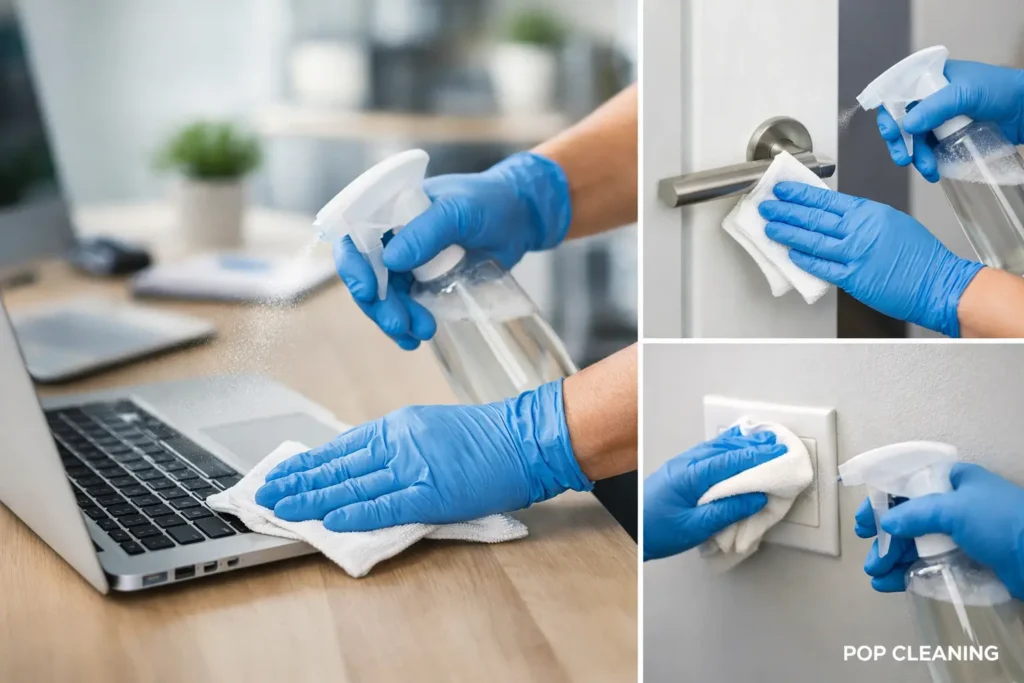
For most high touch areas, the process looks like this: remove visible soil first, apply the product evenly, allow it to sit for the required contact time, then let it air dry or wipe if the label says that is appropriate. On food-contact surfaces like certain counters or tables, check whether a rinse is recommended after treatment.
The best products depend on the surface
There is no single product that is perfect for every room and material. That is where a lot of frustration comes from. People use one strong product everywhere, then end up with streaks, dull finishes, or damage to electronics and specialty surfaces.
For hard, nonporous surfaces such as sealed countertops, metal handles, and light switch covers, a sanitizer or disinfectant labeled for household use is typically a safe choice when used correctly. For electronics like phones, tablets, keyboards, and remote controls, use products approved for electronics or a lightly dampened disinfecting wipe if the manufacturer allows it. Too much liquid can damage screens and seams.
Natural stone needs extra care. Granite, marble, and quartz may react poorly to harsh chemicals, especially products with bleach or strong acids. Wood is another material that depends on the finish. A sealed wood table may tolerate more than an unfinished wood handrail. When in doubt, use a product designed for the specific material and test a small area first.
If you have children, pets, or guests with sensitivities, product choice matters even more. Family-safe, eco-friendly options can be a smart fit, but they still need to be used according to label directions. Gentle does not mean ineffective, and strong-smelling does not automatically mean better.
How often should high touch surfaces be sanitized?
This is where the answer depends on your space. In a typical home, daily attention to the most-used surfaces often makes sense, especially for kitchen handles, bathroom fixtures, and entry points. In homes with young kids, frequent visitors, or someone who is sick, you may want to sanitize those surfaces more than once a day.
For offices, shared restrooms, lobbies, and vacation rentals, frequency usually needs to increase because more people are using the same points of contact. A rental turnover, for example, calls for a more thorough reset than a standard weekday touch-up. Likewise, a small office with a few private desks has different needs than a busy reception area where people touch the door, counter, and payment terminal all day.
The right schedule is less about fear and more about traffic. The more hands on a surface, the more often it deserves attention.
Common mistakes that make sanitizing less effective
A lot of sanitizing efforts fall short for simple reasons. One is skipping the pre-clean when a surface is visibly dirty. Another is using too little product or wiping it away too quickly. A third is cross-contamination, such as using the same rag on the toilet handle and then on the sink faucet.
There is also the issue of overdoing it. Not every wall, shelf, or decorative item needs constant sanitizing. Focusing on actual high touch points saves time and keeps your routine realistic. If the process feels too big, it usually will not last.
Storage matters too. If your wipes have dried out or your spray bottle has been sitting uncapped in a hot garage, performance may be affected. Products have shelf lives, and Florida heat does not do them any favors.
A practical room-by-room approach
In the kitchen, prioritize refrigerator handles, microwave buttons, cabinet pulls, faucet handles, and chair backs if they get touched often. In the bathroom, focus on faucet handles, toilet handles, light switches, and door hardware. In bedrooms, devices, remotes, and bedside lamp switches are often the real hotspots.
For entryways and living rooms, think about what people touch automatically when coming and going. Door handles, alarm panels, thermostats, remotes, and stair rails are usually more important than larger surfaces that rarely get handled. In offices, add shared equipment, break room appliance handles, and reception counters to the list.
The key is to build your routine around behavior, not just what is easy to see.
When professional disinfection makes sense
Routine sanitizing handles a lot, but there are times when a more thorough professional approach is worth it. That can include illness in the home, high-turnover rentals, post-event cleanups, or office spaces where shared contact points add up quickly. Professional teams also know how to match the right products and methods to different surfaces, which helps protect both health and finishes.
For busy households and businesses, consistency is often the hardest part. That is where having dependable help can take pressure off your schedule while keeping standards high. A local team that uses family-safe products and pays attention to detail can make a noticeable difference, especially in spaces that need regular care rather than occasional catch-up cleaning.
If you have been wondering how to sanitize high touch surfaces without turning it into a full-time job, start small and stay consistent. Focus on the spots hands reach for every day, use the right product the right way, and give extra attention to shared spaces when traffic is high. Clean, comfortable spaces are easier to maintain when the routine fits real life.